Personal tools
You are here: Home » Cases » Red Chris Mine
Document Actions

Red Chris Mine

Oct 19, 2010 11:51 PM

Status: Victory

In fighting the proposed Red Chris Mine, Ecojustice and its client MiningWatch Canada went to the Supreme Court of Canada defending public participation in environmental assessments.

Ecojustice and its client MiningWatch Canada won at the Supreme Court of Canada defending public participation in environmental assessments.

The Supreme Court of Canada ruled that the Canadian government has violated a national environmental law aimed at ensuring sustainable development. In a case centered on the proposed Red Chris mine in British Columbia, the Court ruled that the federal government cannot split projects into artificially small parts to avoid rigorous environmental assessments. The ruling also guarantees that the public will be consulted about major industrial projects, including large metal mines and tar sands developments.

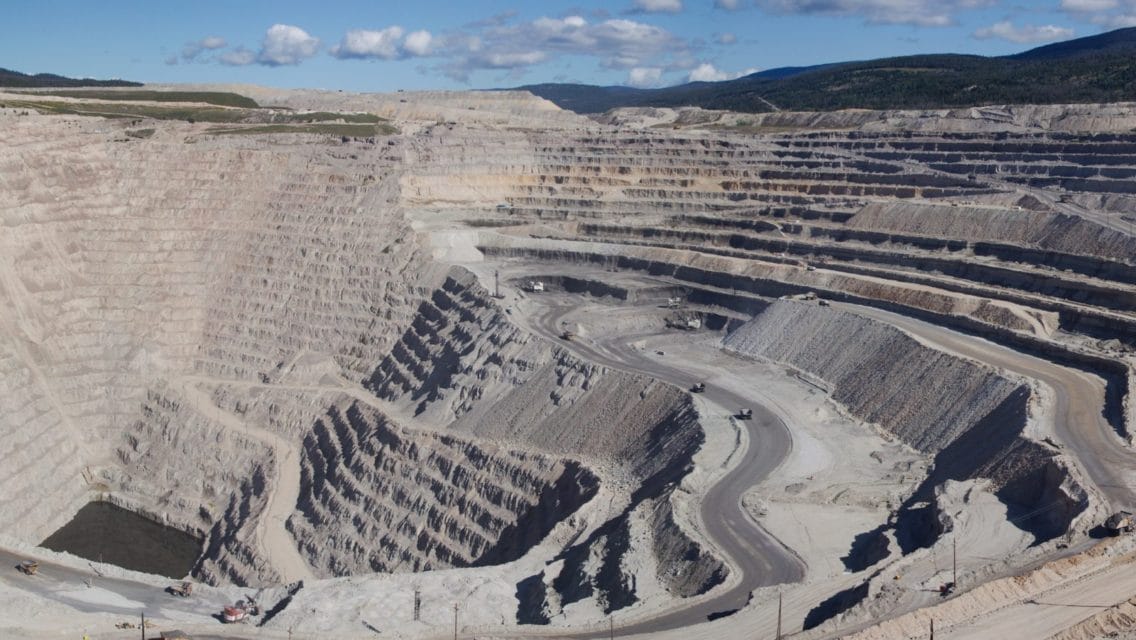
The case revolves around the contentious Red Chris mine, an open-pit copper and gold mine proposed for northwestern B.C.  The mine would be built adjacent to an area christened by local First Nations the “Sacred Headwaters” – the birthplace of three major salmon-bearing rivers of the Stikine, Nass and Skeena. 

The project’s proponent, Imperial Metals, proposes to destroy fish-bearing streams by damming them and using these natural waters to store toxic mine waste. Not only would the project destroy waterbodies used by local residents for fishing, but it risks contaminating the watershed for hundreds of years with toxic mine waste.

This case has a long history. We first appeared before the Federal Court of Canada, which sided with us in September 2007, holding that the Department of Fisheries and Oceans cannot scope projects so as to evade a comprehensive study and public participation. In addition to declaring the DFO’s actions unlawful, the court prohibited issuance of any federal permits to the mining company. 

However, in 2008, the Respondents and the government successfully appealed that decision before the Federal Court of Appeal. We then successfully appealed that to the Supreme Court of Canada, which held that the Department of Fisheries and Oceans had failed to comply with the legal requirements to conduct a comprehensive study and associated public participation. 

Although the Supreme Court did not require the assessment for the mine to be redone, this case represents an important precedent for future environmental assessments. And suggest you add the following at end of Red Chris: 

Latest news: The federal government has partially undone our victory in Red Chris by amending the Canadian Environmental Assessment Act (CEAA). By burying these amendments in a Bill C-9, the Budget Bill (a Bill of over 2,200 sections), government avoided full public scrutiny and Parliamentary debate of these amendments. A review of CEAA is upcoming, during which these amendments might be reversed.

Client:
MiningWatch Canada

 
Copyright Ecojustice, 1998 - 2010 | Website by Groundwire | Powered by Plone